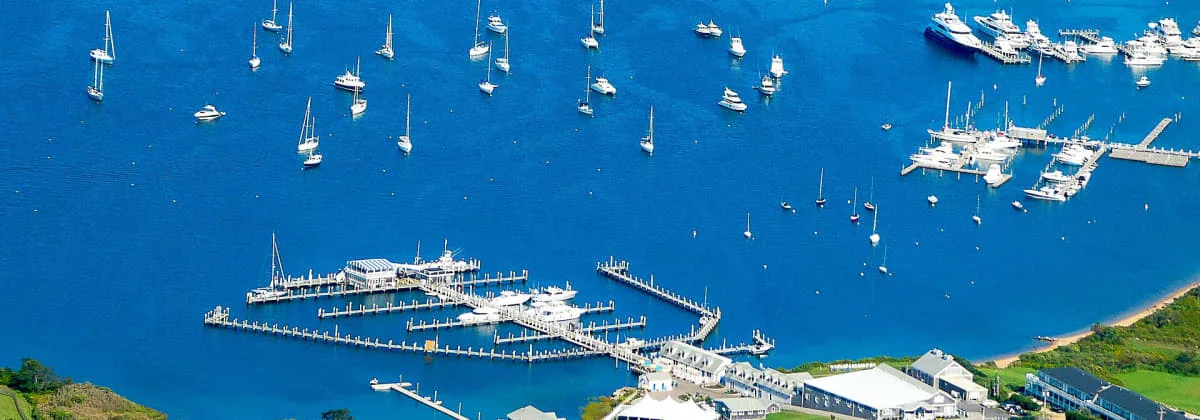
Quick answer: Anchoring vs marina living costs split into two different budgets. Pure anchoring can look like $0 to $300 per month in base fees if you rotate free anchorages, but full-time liveaboard anchor budgets for a 35 to 45ft cruiser often land at $800 to $2,000 per month once dinghy, fuel, laundry, pump-out, and weather marina nights are included. A marina liveaboard slip for the same boat commonly runs $800 to $2,500+ per month in the US before electricity and liveaboard surcharges, or €400 to €4,000+ in the Mediterranean depending on season and port. Anchor life wins on headline dockage; marina life often wins on total convenience and compliance.
What Is the Difference Between Anchoring and Marina Living Costs?
The comparison matters most for liveaboards, not weekend cruisers. A couple who anchors three nights per month and marinas one night has a different budget from an owner who never takes a slip. This guide focuses on full-time or primary-residence boating, where anchoring vs marina living costs decide monthly burn, insurance, and whether the lifestyle is sustainable.
For mooring balls, dry stack, and slip-only economics without the liveaboard lens, see mooring vs marina costs. For LOA-based berth tariffs and regional contracts, use the marina berth cost guide. For the full annual picture including crew, fuel, and refit, see the yacht ownership cost guide.
How Much Does Anchoring Cost per Month as a Liveaboard?
But liveaboard anchor budgets need a total cost of living line, not a dockage line alone. GlobalYachtGuide broker desks consistently see realistic anchor-only budgets cluster as follows for a 35 to 45ft monohull or small cat used as a primary home:
| Cost line | Low anchor budget | Typical full-time anchor budget | Notes |
|---|---|---|---|
| Anchorage or mooring fees | $0-$150 | $100-$400 | Free rotation vs paid field |
| Dinghy fuel and maintenance | $50-$120 | $120-$250 | Outboard wear adds up |
| Generator or charging fuel | $40-$100 | $100-$300 | AC and watermaker loads |
| Laundry, showers, trash | $30-$80 | $80-$200 | Marina day-use fees |
| Provisioning and transport | $100-$250 | $250-$500 | Taxi, cart, parking |
| Pump-out and holding tank | $20-$60 | $60-$150 | Mobile pump-out or marina |
| Internet and phone | $50-$100 | $100-$180 | Starlink or marina Wi-Fi days |
| Weather or repair marina nights | $0-$200 | $200-$600 | 2 to 6 nights per month |
| Ground tackle reserve | $10-$30 | $30-$80 | Chain, shackles, spare anchor |
| Indicative monthly total | $300-$1,090 | $1,040-$2,660 | Before boat maintenance |
That table is why liveaboard marina vs anchor debates confuse buyers. Anchor life can beat a premium slip on paper and still feel expensive once you live it daily. Owners who anchor to save money but marina six nights per month for weather, guests, or laundry often discover their blended monthly cost sits close to a mid-tier slip in the same region.
How Much Does Marina Liveaboard Slip Rent Cost in 2026?
Marina liveaboard slip rent in 2026 runs about $700-$2,300 a month in typical US markets and €350-€4,500 in the Mediterranean, with the spread driven by region and season rather than by boat size alone. A 40ft cruiser pays $1,000-$1,700 in an ordinary US marina and $1,400-$2,400 in a premium one. Figures below are monthly and exclude metered power.
| Boat size | US liveaboard slip (typical) | US premium market | Med winter base | Med prime summer |
|---|---|---|---|---|
| 30ft | $700-$1,200/month | $1,000-$1,800/month | €350-€700/month | €800-€2,000/month |
| 35ft | $850-$1,450/month | $1,200-$2,100/month | €400-€850/month | €1,000-€2,500/month |
| 40ft | $1,000-$1,700/month | $1,400-$2,400/month | €450-€950/month | €1,200-€3,000/month |
| 45ft | $1,150-$1,950/month | $1,600-$2,800/month | €500-€1,100/month | €1,500-€3,500/month |
| 50ft | $1,300-$2,300/month | $1,900-$3,500/month | €600-€1,300/month | €2,000-€4,500/month |
Liveaboard surcharges often run $100 to $400 per month where permitted at all. Some marinas forbid liveaboards entirely. Others cap the number of liveaboard slips and charge premium rates for the permit. Always ask for a written liveaboard policy before you model marina living costs.
Small-boat owners comparing day-use dockage should read cost to dock a boat for 20 to 45ft slip math. Larger yacht buyers should cross-check yacht docking fees for power, beam, and crew constraints. In the Western Mediterranean, prime summer berths can reach levels described in the Monaco yacht berth cost guide, which helps anchor the top end of marina living costs.
Model anchor vs marina for your cruising plan
Share LOA, home region, liveaboard status, and season. We help compare realistic monthly budgets before you commit to a boat or berth.
Is Anchoring Cheaper Than a Marina for Full-Time Liveaboards?
Use a blended monthly test instead of comparing best-case anchor math to worst-case slip math:
| Scenario | 40ft US Southeast cruiser | Likely winner | Why |
|---|---|---|---|
| Anchor 25 nights, marina 5 nights | $1,200-$1,800/month all-in | Depends | Weather marina nights matter |
| Anchor only in free fields | $900-$1,500/month all-in | Anchor | If rules and comfort allow |
| Full-time permitted liveaboard slip | $1,400-$2,200/month all-in | Marina | Power, water, access bundled |
| Remote work, daily shore trips | Anchor looks cheaper | Marina | Dinghy time tax is real |
| Med summer in regulated port | Anchor fees plus fines risk | Marina or legal mooring | Enforcement is not optional |
The honest answer to liveaboard marina vs anchor is that total lifestyle cost decides the winner. Owners who anchor to save $600 per month on slip rent but spend $400 on dinghy fuel, $150 on laundry and showers, and $300 on weather slips may net only $150 in savings while accepting lower comfort and more weather risk.
What Hidden Costs Does Anchoring Add for Liveaboards?
Anchoring removes the slip fee and replaces it with a set of smaller recurring costs that most first-year liveaboards underestimate. Dinghy fuel, mobile pump-out, laundry, provisioning transport and occasional transient marina nights each carry a monthly range, and they spike together in bad weather.
These hidden lines show up repeatedly in liveaboard budgets:
| Hidden anchor cost | Typical monthly range | When it spikes |
|---|---|---|
| Dinghy replacement reserve | $30-$100 | Outboard failure, theft |
| Extra fuel for windlass and repositioning | $20-$80 | Strong season, crowded anchorages |
| Marina day-use for laundry and showers | $40-$180 | Cold weather, no onboard laundry |
| Pump-out service | $40-$150 | No direct dock access |
| Paid mooring when anchorages close | $100-$400 | Events, enforcement, holidays |
| Storage locker or car parking ashore | $50-$200 | Urban cruising areas |
| Mail, domicile, and admin workarounds | $20-$120 | Insurance and registration |
| Security and theft risk mitigation | $0-$100 | Dinghy locks, lights, cameras |
A full-time liveaboard on a 40ft sailboat in the US Southeast who anchors 22 nights and uses a marina 6 nights for weather and pump-out often spends $1,100 to $1,900 per month on anchoring-related living costs, excluding loan, insurance, and hull maintenance. That figure includes dinghy fuel, generator fuel, laundry, provisioning transport, mobile pump-out, and six transient marina nights at roughly $80 to $120 per night all-in. It does not include the value of unpaid time spent moving the boat or waiting out weather. Compare that all-in anchor budget to a $1,500 to $2,100 permitted liveaboard slip in the same region before deciding anchor life is cheaper.
What Hidden Costs Does Marina Living Add?
Metered power is the largest add-on at $60-$400 a month, and on an air-conditioned boat in a warm climate it is closer to the top of that band all summer. Liveaboard surcharges of $100-$400, parking up to $150 and pump-out up to $60 stack on top. Budget $200-$700 a month above headline slip rent before comparing a marina against anchoring.
| Marina cost line | Typical range | Notes |
|---|---|---|
| Metered electricity | $60-$400/month | AC drives the top end |
| Liveaboard surcharge | $100-$400/month | Not universal |
| Water | $0-$80/month | Often included up to a cap |
| Pump-out | $0-$60/month | Some marinas include |
| Parking | $0-$150/month | Urban marinas charge |
| Guest fees | Variable | Entertaining adds up |
| Contractor dock access | $0-$100 | Some yards charge day passes |
| Annual contract true-up | Seasonal | Winter vs summer multiplier |
Marina living also changes maintenance economics. Easier dock access can lower the cost of quick fixes because technicians arrive faster and carry tools more easily. That does not show on the marina invoice but affects annual ownership cost. Buyers planning a Med purchase should align berth strategy with the Mediterranean yacht buying guide before assuming summer anchoring will substitute for a home port.
How Do Anchoring and Marina Costs Compare in the US?
No US region supports full-time anchoring cheaply and reliably, so the realistic comparison is a blend rather than one or the other. Florida and the Keys push owners between rotating anchorages, mooring balls and scarce permitted liveaboard slips; Southern California’s long-term anchoring rules make anchor-only living impractical; the Pacific Northwest is marina-heavy in the cities. The regional pattern decides the mix.
| US region | Anchor liveaboard pattern | Marina liveaboard pattern | Cost takeaway |
|---|---|---|---|
| Florida East Coast | Rotating anchorages plus mooring fields | Scarce permitted liveaboard slips | Blended plans common |
| Florida Keys | Anchor fees and mooring balls | Limited liveaboard slips | Weather drives marina nights |
| Chesapeake | Seasonal anchor cruising | Many marina options | Shoulder season discounts |
| Pacific Northwest | Select anchor bays | Marina-heavy urban liveaboard | Rain increases shore trips |
| Southern California | Strict long-term anchoring rules | High slip demand | Anchor-only rarely works full time |
| New England | Short season | Summer slip premium | Winter storage separate |
For a 35ft liveaboard cruiser planning a full year in the US, three realistic archetypes emerge:
| Archetype | Monthly all-in cost | Best fit |
|---|---|---|
| Anchor-primary, Southeast | $900-$1,700 | Experienced cruisers, flexible schedule |
| Marina-primary, mid-tier US | $1,200-$2,200 | Remote workers, families, pets |
| Blended, seasonal movement | $1,000-$2,400 | Snowbirds and coastal migrators |
Use the marina berth cost guide for contract and regional berth detail. Use mooring vs marina costs if you are deciding between a mooring ball and a slip rather than pure anchor life.
How Do Anchoring and Marina Costs Compare in the Mediterranean?
Mediterranean anchoring is free in principle and constrained in practice, so the saving is seasonal rather than structural. Free summer anchorages exist in the Western Med but are crowded, town harbours charge port fees, and stern-to quay berthing is a hybrid with its own rules. The real economy is a low winter contract in Turkey or Greece against summer movement between ports.
| Med situation | Anchor cost behavior | Marina liveaboard behavior |
|---|---|---|
| Summer Western Med | Free anchorages exist but crowded; port fees in town harbors | Premium berths; scarce long-term liveaboard slots |
| Winter eastern Med | More anchor time possible with weather windows | Lower winter contracts in Turkey and Greece |
| Town quay stern-to | Not the same as US anchor life; lines and fees apply | Hybrid of marina services and public quay rules |
| Monaco and Côte d’Azur | Limited long-term anchoring for liveaboard use | Very high berth costs; see Monaco guide |
A 45ft cruising yacht spending six winter months in a lower-cost marina base and six summer months anchoring or moving between ports might budget:
| Season | Anchor-heavy plan | Marina-heavy plan |
|---|---|---|
| Winter 6 months | €600-€1,200/month all-in | €800-€1,500/month all-in |
| Summer 6 months | €1,000-€2,500/month all-in | €1,800-€4,500/month all-in |
| Annual average | €800-€1,850/month | €1,300-€3,000/month |
Summer anchor plans in the Med fail when owners underestimate port authority fees, landing restrictions, shore power needs for air conditioning, and mandatory marina nights for visa, customs, or maintenance. Marina living costs more in July and August, but it can still be the lower-friction option for owners who work from the boat.
Can You Legally Live Aboard at Anchor Full Time?
Full-time anchoring is legal in some jurisdictions and restricted in others, and the rules change by county or municipality rather than by country. Anchoring time limits, designated mooring fields and pump-out enforcement all vary, and each of them has a cost consequence rather than only a legal one.
Before choosing anchor-only life, confirm in writing:
| Question | Why it affects cost |
|---|---|
| Maximum consecutive nights at anchor | Fines erase savings |
| Dinghy landing rules | Illegal landing adds risk |
| Pump-out and gray water rules | Equipment and service costs |
| Liveaboard definition locally | Permits may still require a slip |
| Mail and domicile requirements | Admin cost and insurance |
| Storm and hurricane plan | Forced marina or haul-out spend |
If the answer is “you may anchor overnight but not live aboard,” your real choice is not anchor vs marina. It is compliant mooring or marina vs legal risk. That distinction belongs in every anchoring vs marina living costs model.
How Does Insurance View Anchoring vs Marina Liveaboard?
Insurers treat anchor liveaboard as the higher-risk pattern, and the difference shows up in conditions rather than in premium alone. Named-storm plans are stricter, unattended-vessel scrutiny is higher, and some policies cap the anchoring regions covered at all. Check that your hull policy permits the planned cruising region and storage pattern before choosing anchor life, because a denied claim erases years of slip-rent savings.
| Insurance factor | Anchor liveaboard | Marina liveaboard |
|---|---|---|
| Named-storm plan | Often stricter | Marina plan may be accepted |
| Unattended vessel | Higher scrutiny | Easier if marina secure |
| Navigation limits | Some policies cap anchor regions | Berth location declared |
| Liability while guests aboard | Same | Same |
| Premium loading | Possible in high-risk anchor zones | Possible in hurricane marinas |
Never choose anchor life solely because slip rent is high without checking whether your hull policy allows the planned cruising region and storage pattern. A denied claim converts a cheap month into a catastrophic year.
When Does Marina Living Beat Anchoring Despite Higher Fees?
Marina living wins whenever reliable shore access is doing real work rather than adding comfort. Remote workers need power and Wi-Fi that a generator cannot match; families need school runs; complex air-conditioning and charging loads need shore power; contractors need dock access during a refit. In each case the dinghy trips, generator hours and marina weather nights that anchor life adds cost more than the slip.
| Owner profile | Why marina wins |
|---|---|
| Remote worker | Reliable power and Wi-Fi beat generator noise |
| Family with children | School runs and safety ashore matter |
| Pet owner | Frequent shore trips add dinghy cost and risk |
| Complex power systems | Air conditioning and battery charging load |
| Active refit or upgrade | Contractors need dock access |
| Frequent guests | Entertainment and boarding ease |
| Strict local anchoring rules | Compliance cost of anchor life too high |
Marina living also wins when opportunity cost of time is high. Owners earning strong day rates or running a business from the boat often find that two extra hours per day lost to dinghy logistics cost more than a $500 monthly slip premium.
That does not make anchoring wrong. It makes anchoring a deliberate lifestyle trade, not a universal savings hack. For many experienced cruisers, anchor life remains the best balance of freedom and cost. For many first-time liveaboards, a permitted marina slip is the better on-ramp.
What Buyers Get Wrong About Anchoring
Proof that a liveaboard berth exists belongs in pre-offer diligence, particularly for buyers coming from a land home who assume they will simply anchor somewhere cheap. That plan fails whenever insurance, local law or the sheer workload disagrees with it.
Three mistakes account for most of the gap between plan and reality.
First, buyers compare headline slip rent against a zero anchoring fee and never build the all-in anchoring budget. Work out a realistic thirty-day trial figure: dinghy fuel, laundry, pump-out, the slip you take when weather turns, transport for provisioning, before reducing the purchase budget to fund cruising.
Second, Mediterranean buyers confuse summer anchoring with a winter berth strategy. Home port, winter contract and summer movement all want deciding before closing, not during the first August heatwave when every berth is already taken. The Mediterranean yacht buying guide should align with berth and anchor planning from day one.
Third, sellers marketing “low cost liveaboard” boats without stating whether a transferable liveaboard slip exists create closing friction. Buyers discover late that the marina has no liveaboard permits left, pushing them into anchor plans they never intended. Sellers should disclose slip status, liveaboard permission, and transfer rules early.
In the western Mediterranean it is worth separating Monaco and Riviera summer berth costs from a realistic anchoring plan entirely. A buyer who can afford the boat but neither the summer berth nor a lawful anchoring alternative is not yet ready for that cruising profile. See Monaco yacht berth cost for the top-end marina benchmark.
How Should You Build Your Own Anchoring vs Marina Budget?
Price both columns line by line rather than comparing slip rent against zero. Anchoring moves cost from dockage into dinghy and outboard, generator fuel, water and pump-out runs, laundry and showers ashore, and provisioning transport, plus the marina nights weather forces on you. Fill the worksheet below with quotes for your actual home region, and the headline saving usually narrows sharply.
| Line item | Anchor column | Marina column |
|---|---|---|
| Base dockage or anchoring fees | $ | $ |
| Mooring or port fees | $ | $ |
| Dinghy and outboard | $ | $ |
| Generator or electricity | $ | $ |
| Water and pump-out | $ | $ |
| Laundry, showers, trash | $ | $ |
| Provisioning transport | $ | $ |
| Weather or transient marina nights | $ | $ |
| Parking or storage ashore | $ | $ |
| Insurance delta if any | $ | $ |
| Monthly total | $ | $ |
Then stress-test both columns with three scenarios: good weather month, bad weather month, and maintenance month when a technician must come aboard. If anchor column wins only in good weather, you do not have a robust full-time plan.
Finally, tie the storage decision back to ownership economics in the yacht ownership cost guide. Dockage and anchor living are usually 10 to 25 percent of annual operating cost for active cruisers, but they drive where the boat can legally and comfortably live. Choose that first. Then size the boat, loan, and refit reserve around the answer.
FAQ: Anchoring vs Marina Living
Frequently Asked Questions
Anchoring is usually cheaper on headline fees, but full-time liveaboard anchor budgets often reach $800 to $2,000 per month for a mid-size cruiser once dinghy, fuel, laundry, pump-out, and weather marina nights are included. Marina slips cost more upfront but bundle access and power.
Base anchoring can be $0 to $300 per month in fees alone. Realistic all-in liveaboard anchor budgets for 35 to 45ft boats often land at $800 to $2,000 per month depending on region, weather, and how often you pay for marina nights ashore.
US liveaboard slips for 30 to 45ft boats often run $800 to $2,500 per month before electricity and surcharges. Mediterranean costs range from roughly €400 to €1,200 in lower-cost winter bases to €2,500 to €4,000+ in prime summer ports.
Rules are local. Many areas restrict long-term anchoring, require periodic movement, or forbid liveaboard use outside designated mooring fields. Confirm harbor master rules and insurance requirements before relying on anchor-only life.
Budget for dinghy fuel and maintenance, generator fuel, laundry and showers, provisioning transport, pump-out, mail and admin workarounds, spare ground tackle, and paid marina nights when weather or maintenance forces you off the hook.
Insurers focus on storm exposure, navigation limits, and unattended anchoring rules. Marina liveaboards may still need hurricane plans, but approved marina storm procedures can satisfy underwriters more easily in high-risk regions.
Marina living wins when you need reliable shore power, remote work connectivity, frequent guest access, easier maintenance, pet or family logistics, or when local anchoring rules make full-time anchor life non-compliant.
Request a yacht buyer consultation
Share your budget, target LOA, and use case. We reply within one business day with matched brokers or surveyors.