Yacht comparisons
Every one of these pages exists because the decision has a genuine trade-off rather than a right answer. Each compares total cost, practical constraints and resale, not just specification.
Comparison pages are where buying decisions actually get made, so these are written as decisions rather than as descriptions. Each one states which option wins under which conditions, with the numbers that drive it: five-year total cost, berth implications, fuel and crew, and what each choice does to resale liquidity.
Where the honest answer is that it depends on use, the pages say what it depends on and give you the threshold. A catamaran versus monohull decision, for example, usually turns on marina beam surcharges and draft, not on the sailing characteristics buyers ask about first.
Want this narrowed down to your yacht?
Send a short brief and we will come back with the guides that apply and the specialists who can quote.
All comparisons
Type, ownership model, flag and construction decisions.
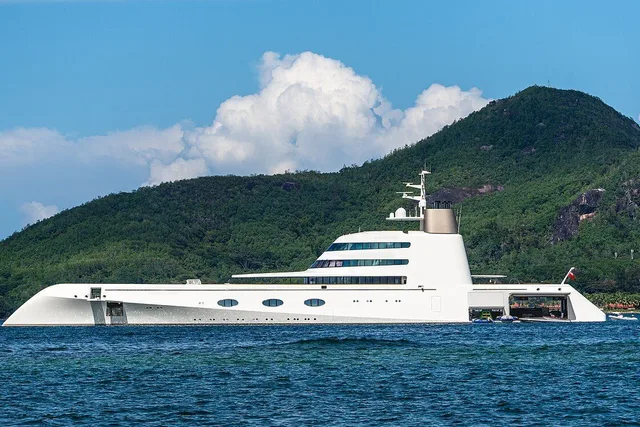
Buy vs Charter Yacht: 5-Year Cost Comparison
Buy vs charter yacht costs, lifestyle tradeoffs, 5-year model, and decision framework for owners deciding between access and full ownership.
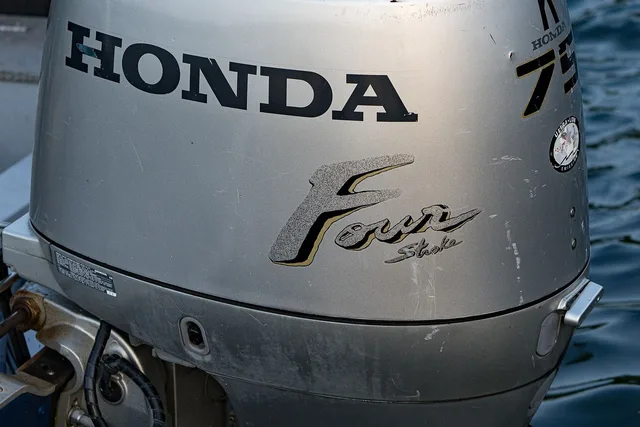
Outboard vs Inboard: Cost, Resale and Service Reality
Outboard, sterndrive or inboard: what each costs to run and service, how they differ on resale, and which suits which boat length and water.
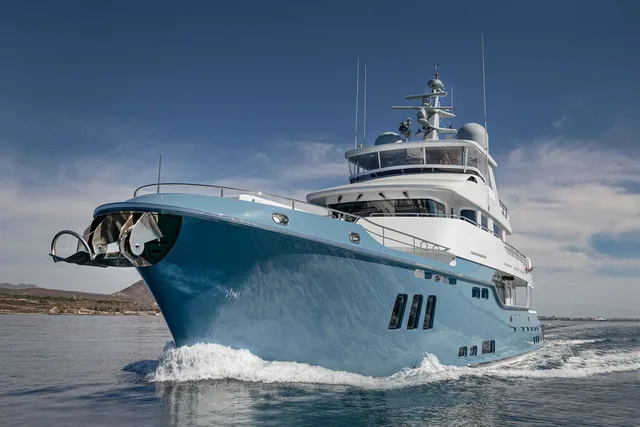
Explorer Yacht vs Trawler: the Long-Range Buyer's Guide
Compare explorer yachts and trawlers by size, range, crew, construction, cost, refit risk, and cruising profile before choosing.
Fiberglass vs Aluminum Yacht Hulls: a Buyer's Comparison
Fiberglass vs aluminum yacht hulls compared for weight, repair, collision risk, maintenance, resale, and which material fits each size segment.
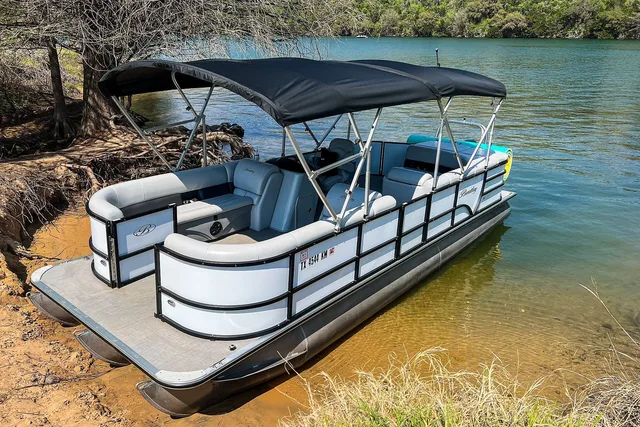
Pontoon vs Tritoon: When the Third Tube Is Worth It
What a tritoon changes: horsepower ceiling, handling, chop, draft and price, set against the two-tube pontoon, and who should buy which.
Continue your research
Common questions
A catamaran gives more living space, shallower draft and less rolling at anchor. A monohull points higher upwind, costs less to berth, and has a deeper used market in most regions. The decision usually turns on whether your marinas charge a beam surcharge of 30% to 50% and whether shallow-draft cruising grounds matter to you.
Below about six to eight weeks of use a year, chartering is cheaper by a wide margin because you avoid depreciation, crew and berth entirely. Above ten weeks, ownership becomes competitive and non-financial factors start to dominate. The five-year comparison page models both sides at several size bands.
Fibreglass is cheaper to build and repair, has no corrosion risk and covers most production yachts. Aluminium is lighter for the same strength, better for high-latitude and expedition use, and repairable anywhere there is a welder, but it demands disciplined galvanic isolation. For mainstream cruising below 30 metres, fibreglass is usually the pragmatic choice.
Still deciding between two options?
Tell us the two you are weighing and how you plan to use the yacht. We will come back with the comparison run against your numbers rather than generic ones.