Yacht legal, flag and tax
Flag choice sets your tax position, crew obligations, survey regime and resale market, and it is decided before closing rather than after. These guides cover the registries, the VAT rules and the import tax thresholds a buyer actually has to clear.
Registration is the part of a yacht purchase that buyers most often leave to the broker and most often regret. The registry you pick determines whether EU VAT becomes payable, whether the vessel can be chartered commercially, what tonnage and survey rules apply, and how easily the yacht sells in three years. Switching later is possible but rarely cheap.
The guides here are organised by the question a buyer is actually asking. If you are a US buyer, the decision is usually USCG documentation versus an offshore register. If you are cruising the Mediterranean, the decision is dominated by VAT status and temporary admission. If the yacht is over 24 metres or will earn charter income, commercial coding rules change the calculation again.
Nothing here is legal advice. It is written to let you arrive at a maritime lawyer or registration agent already knowing which questions matter for your vessel, your nationality and your cruising plan.
Want this narrowed down to your yacht?
Send a short brief and we will come back with the guides that apply and the specialists who can quote.
Choosing a flag
Start here if the registry is still open. These compare registers rather than describing one.

United States registration and tax
USCG documentation, state titling, sales tax caps and import duty for US buyers.
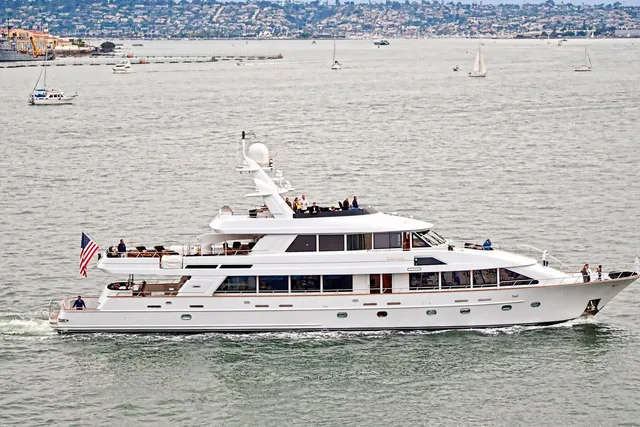
Yacht Documentation: US Coast Guard NVDC Guide 2026
Federal boat documentation through the NVDC: who qualifies, what it costs, how long it takes, and when state registration is the better route.
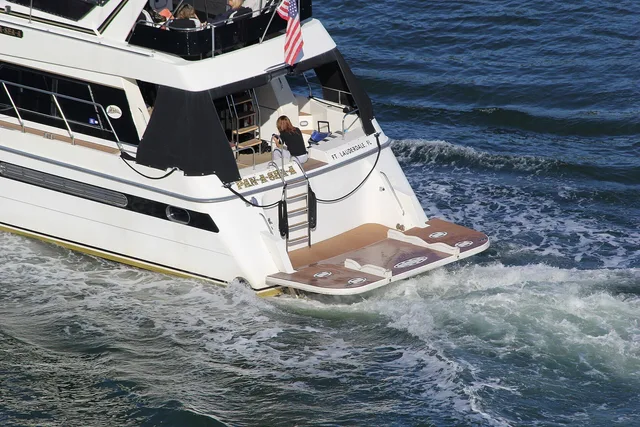
US Yacht Import Tax: Duty, CBP Entry and State Taxes Explained
US yacht import tax: CBP duty near 1.5% for HTS 8903 motor yachts, state use tax on top, customs broker fees, USCG documentation, and buyer mistakes.
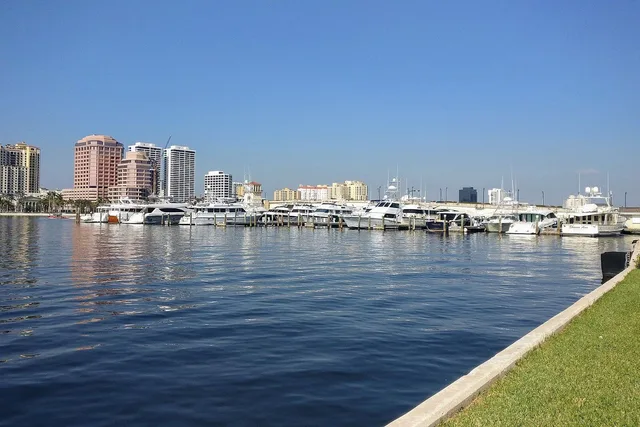
Boat Sales Tax by State 2026: Rates, Caps and Exemptions
Boat sales and use tax compared across the states: where the caps are, which states charge nothing, and what decides which state taxes you.
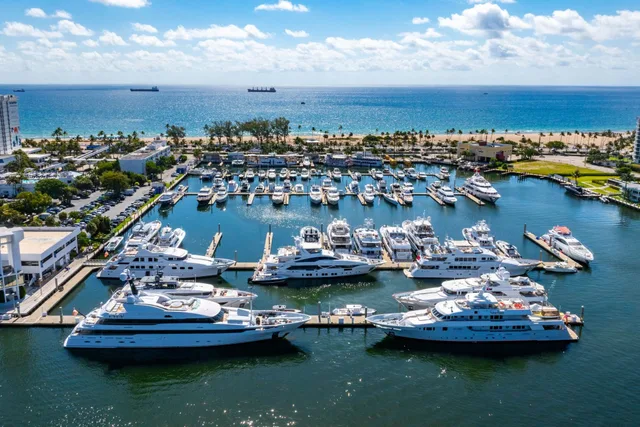
Florida Vessel Sales Tax Cap: $18K Yacht Buyer Guide
Florida vessel sales tax cap guide for yacht buyers: 6% state tax, local surtax, $18K maximum, use tax, delivery, and closing structure.
Red Ensign registries
British flag options: fee bands, tonnage ceilings and EU status after Brexit.

Open registers and EU flags
Malta, Marshall Islands, Panama and Cyprus: process, fees and who each register suits.
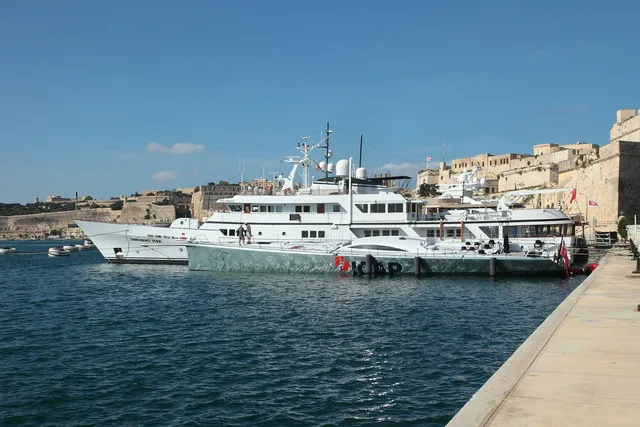
EU VAT and compliance
The rules that decide whether a Mediterranean cruising plan is affordable.

Boat VAT Europe 2026: VAT on Yachts by Country
VAT on boats and yachts across the EU: Malta 18%, France 20%, Italy 22%, Greece 24%, Croatia 25%, what customs asks for, and what a flag does not prove.

Boat VAT in the UK After Brexit: Status and Evidence
What VAT paid means on a UK boat, how Brexit changed the position, what Returned Goods Relief does, and the evidence a buyer should demand before exchange.

Yacht Charter Regulations: EU, US and MYBA Rules 2026
Yacht charter regulations guide: commercial licensing, EU and US charter rules, MYBA standards, VAT and port-state compliance for owners and brokers.
Ownership structure, title and contracts
Who owns the vessel on paper, and what the purchase agreement has to protect.
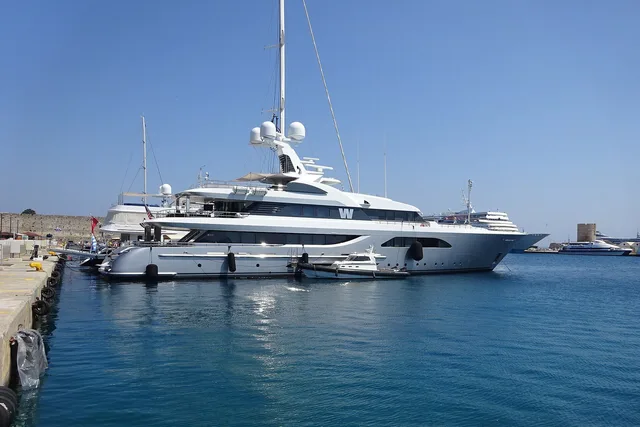
Yacht Ownership Structure: SPV, Cayman, Malta and IoM Guide
Yacht owning company and SPV structures: Cayman, Malta, IoM comparison, liability shields, banking, and flag registration timing for buyers.
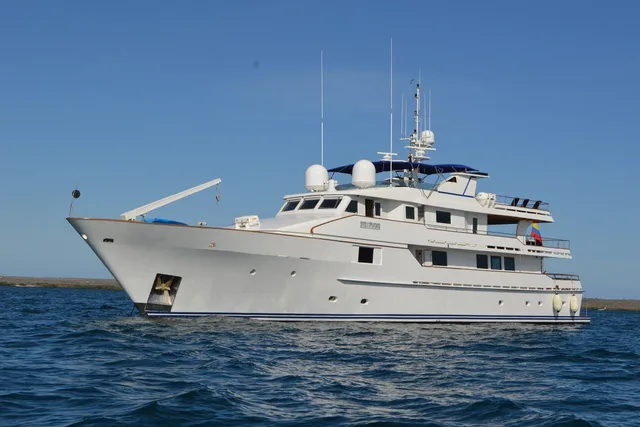
Boat Purchase Agreement: Deposit, Survey and Closing
What a boat purchase agreement must contain: deposit terms, survey and sea trial conditions, acceptance deadlines and the closing checklist.

Boat Bill of Sale: What It Is and What It Must Say
What a boat bill of sale does, how it differs from the purchase agreement and the title, which states want it notarised, and what buyers get wrong on the form.
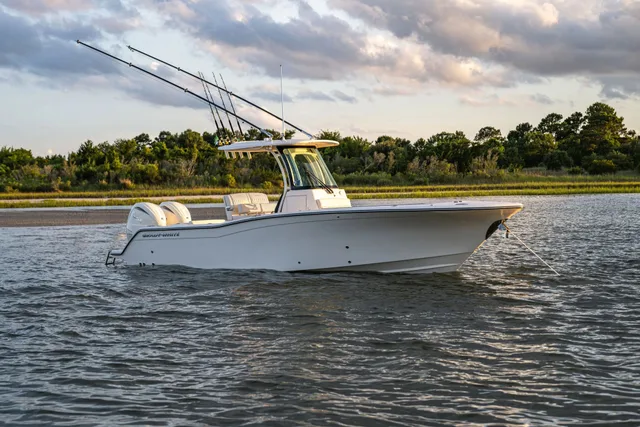
Boat Title Transfer: Forms, Fees and Timing by State
How a boat title transfer works, which states title boats and which only register them, what a lien does to the transfer, and what stops it at the counter.
Continue your research
Common questions
There is no single best flag. For a US owner cruising US waters, USCG documentation is usually simplest. For a superyacht over 24 metres, Cayman Islands and Marshall Islands dominate because of survey regime and lender familiarity. For an EU-based owner, Malta combines EU status with a workable lease structure. The right answer depends on owner nationality, cruising region, charter intent and vessel size.
EU-resident owners generally owe VAT on a yacht kept in EU waters, at rates from 17% to 27% depending on member state. Non-EU residents can normally use Temporary Admission for up to 18 months without paying VAT, provided the principal user is genuinely established outside the EU and can evidence it. Selling or exceeding the period triggers the liability.
Initial registration commonly runs from a few hundred dollars on a US state title to several thousand on an offshore register, with annual tonnage fees on top. The larger cost is usually the surrounding work: survey and tonnage measurement, agent fees, and any structural or compliance work the register requires before it will issue a certificate.
Yes, and owners do, but it is more expensive than registering correctly at closing. Reflagging usually means a fresh tonnage measurement, a new survey, deletion from the old register, refinancing consent if there is a marine mortgage, and a gap in which the vessel must not move. Decide the flag before the MOA rather than after delivery.
No. GlobalYachtGuide is an independent editorial resource and is not a law firm, broker or registration agent. These guides are written so you arrive at a qualified maritime lawyer knowing which questions matter. Verify every threshold and rate before you transact.
Get matched with a registration specialist
Tell us the vessel size, your residency and where you plan to cruise. We will introduce maritime lawyers or registration agents who handle that combination.