Boats
Under about 45ft the buying process is faster, the survey is cheaper and the running costs are dominated by storage rather than crew. These guides cover the main categories and what each is actually for.
Smaller boats are bought differently from yachts. The purchase often completes in weeks rather than months, dealers play a larger role than brokers, and dry stack or trailer storage can replace a wet slip entirely, which changes the annual budget more than any other single decision.
The categories here are defined by use rather than by length. A center console and a pontoon of identical size serve almost opposite purposes, and a trawler at the same length is a long-range cruising platform with a completely different cost profile.
If you are moving up from a boat into yacht territory, the buying guides and cost sections cover the differences that appear from roughly 45ft upward: survey scope, documentation, insurance and berth.
Want this narrowed down to your yacht?
Send a short brief and we will come back with the guides that apply and the specialists who can quote.
By category
What each type does well, what it costs, and what to check before buying.
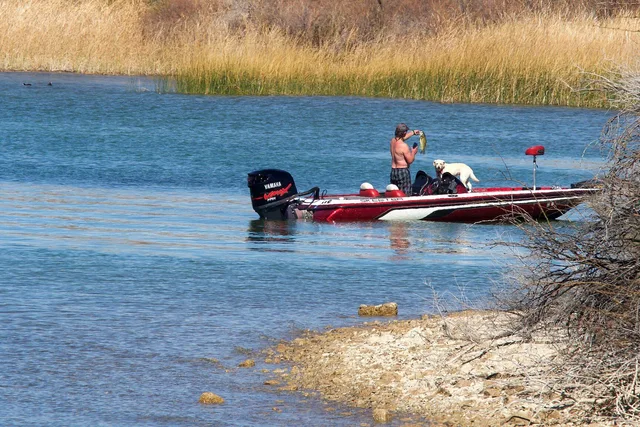
Fishing Boats: Types, Costs & Buyer's Guide for 2026
Fishing boats in the US: bass, walleye, jon, and bay boats from $10,000 to $200,000. NMMA 2024 data, types by water, and a complete buyer's guide.
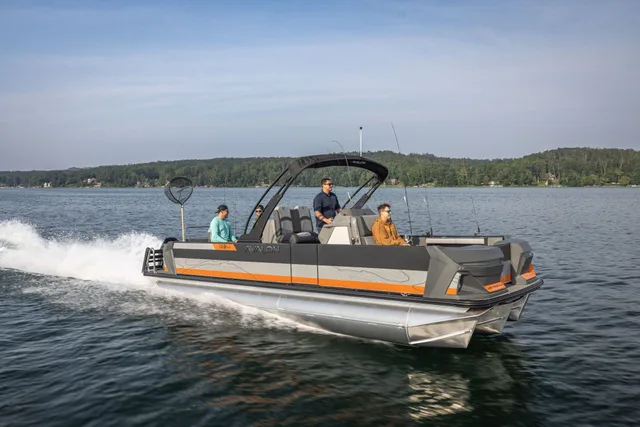
Best Pontoon Boats and Brands: 2026 Buyer's Guide
The best pontoon boats and pontoon boat brands by use and budget, with sizes, engine packages, real ownership costs and what to check on a used boat.
Small craft and trailer boats
The types most first boats actually are: open bow runabouts, deck boats, inshore fishing hulls and aluminium utility boats.
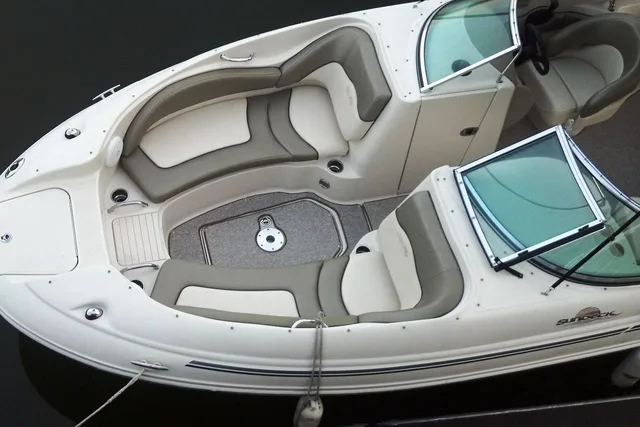
Bowrider Boats: The Default First Family Boat
Why the bowrider outsells almost everything, what separates a good one from a cheap one, sterndrive against outboard, and the sizes that actually suit a family.
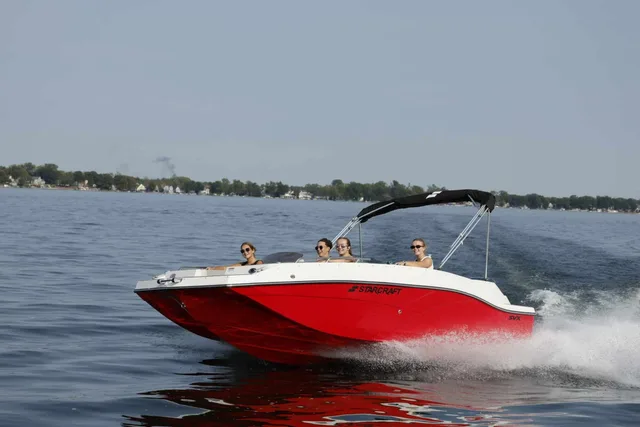
Deck Boats: What They Are and Who Should Buy One
The wide-bow V-hull that carries a pontoon's worth of people and still handles chop. Layout, sizes, how a deck boat differs from a bowrider, and the trade-offs.
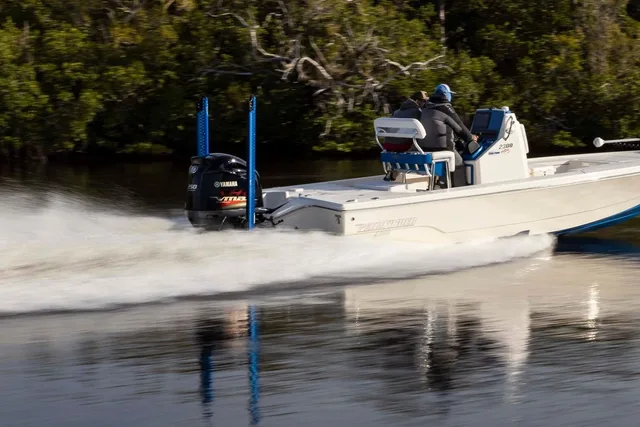
Bay Boats: The Inshore Hull Between Flats and Offshore
What a bay boat is, how it differs from a center console and a flats skiff, realistic draft and deadrise, and how to judge one for the water you actually fish.
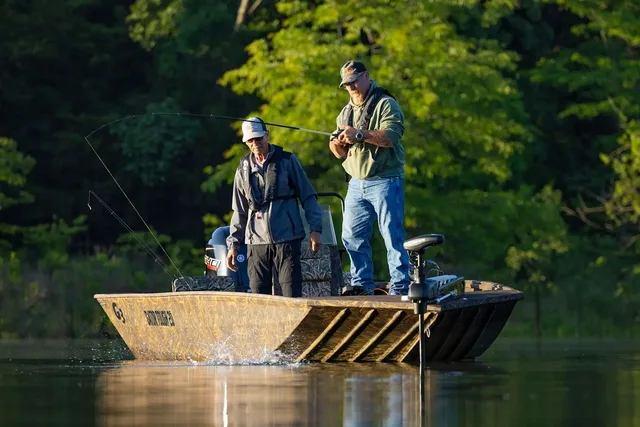
Jon Boats: Sizes, Aluminium Grades and What to Buy
What a jon boat is, how to read the 1436 and 1448 size codes, riveted against welded hulls, how much motor a flat bottom takes, and where they stop.
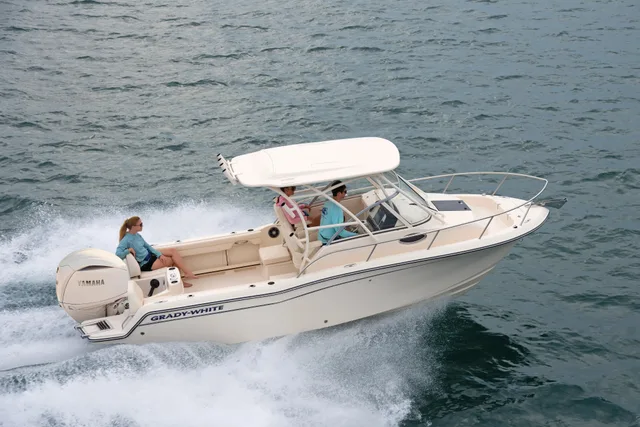
Cuddy Cabin Boats: The Smallest Boat You Can Sleep On
What a cuddy cabin is, what fits inside one, how it compares with a bowrider and a walkaround, and the sizes where the cabin becomes genuinely usable.
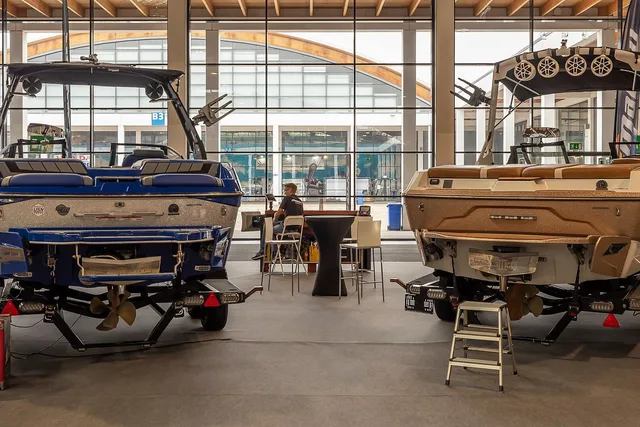
Wake Boats and Ski Boats: What Separates Them
Direct drive against V-drive, ballast, hull shape and why a wake boat and a ski boat want opposite things. Sizes, costs and what to check on a used tow boat.
Continue your research
Common questions
In the US, a wet slip for a 20 to 45ft boat commonly runs $250 to $1,800 per month before power and tax, and dry stack for boats under about 35ft runs $250 to $900 per month. Storage is usually the largest fixed cost at this size, and it varies more by port than by boat.
Yes for any used purchase of meaningful value, and your insurer will usually require one regardless. A survey on a 30 to 40ft boat typically costs $500 to $1,200 including a short haul-out, which is small against the cost of an undetected moisture, engine or stringer problem.
They solve different problems. A center console is built for offshore fishing and rough water access with 360-degree fishability. A pontoon is built for stable, sheltered-water entertaining with far more usable deck space per dollar. Neither substitutes for the other.
Get help choosing a boat
Tell us where you will run it, how you will use it and your budget. We will come back with the categories that fit and the storage costs to expect.