Yacht insurance
Yacht premiums are driven by where the vessel sits in hurricane season, its age and construction, and the crew’s documented experience, in roughly that order. These guides cover what the policy actually pays and what quietly voids it.
Marine insurance splits into two things buyers often conflate. Hull and machinery covers the vessel itself. Protection and indemnity covers what the vessel does to other people, and it is the part where the limits matter most, because a pollution or crew-injury claim is not capped by the value of the yacht.
The single biggest premium variable for US and Caribbean owners is the named-windstorm position: where the yacht is allowed to be between June and November, what the named-storm deductible is as a percentage of value, and whether a written hurricane plan is a condition of cover. Getting the box wrong does not just raise the premium, it can leave a total loss uninsured.
These guides also cover the quote process itself, because underwriters price on the quality of the submission. A complete survey, a documented maintenance record and a credible crew CV routinely move a quote more than shopping the market does.
Want this narrowed down to your yacht?
Send a short brief and we will come back with the guides that apply and the specialists who can quote.
Storm and regional risk
Hurricane box rules, named-storm deductibles and Mediterranean cover.
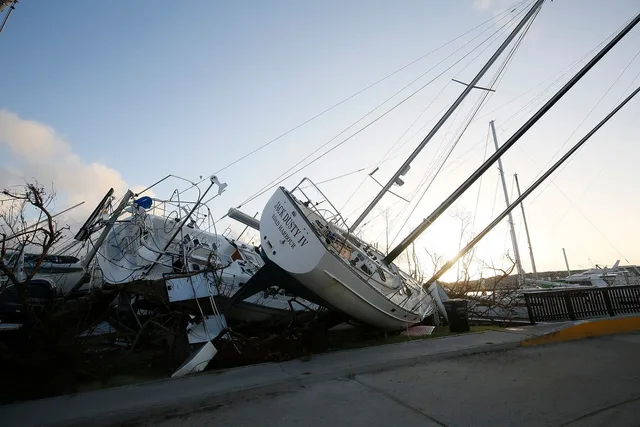
Boat Insurance Hurricane Box Map: Plans and Rules 2026
There is no universal hurricane box map. Your policy defines it: named-storm deductibles of 2% to 5%, 48 to 72 hour plan windows, and 34N lay-up credits.
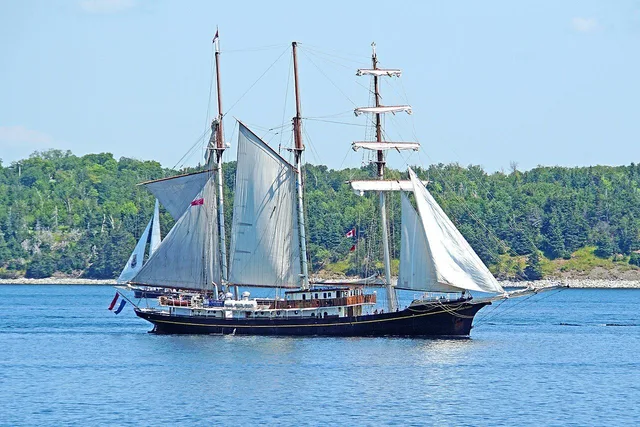
Named Storm Yacht Deductibles: Windstorm Cost Guide
Named storm deductible guide: windstorm deductibles by hull value, insurer types, Florida rules, and what to ask before you bind cover.
Buying cover
How to prepare a submission underwriters price well, and what to check before binding.
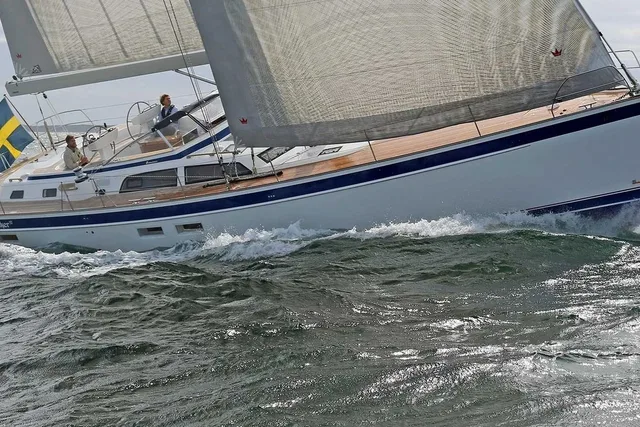
Yacht Insurance Quote Process: How to Get Terms
Yacht insurance quote process step by step: documents, survey timing, agreed value, broker vs direct, and bind deadlines before closing or delivery.
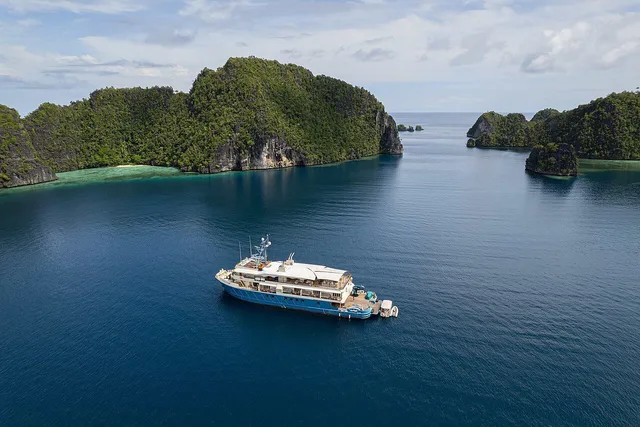
Charter Yacht Insurance: Commercial Coverage
Charter yacht insurance: commercial H&M, charter liability, guest injury cover, management requirements, and how premiums differ from private use.
Continue your research
Common questions
Private yacht premiums commonly run 0.6% to 1.5% of insured value per year. A $1M yacht kept outside the hurricane box might be quoted around $7,000 to $11,000; the same yacht kept in South Florida through the season can exceed $20,000 with a named-storm deductible of 10% to 15% of value on top.
A separate, much higher deductible that applies only to damage from a named tropical storm or hurricane, expressed as a percentage of insured value rather than a fixed sum. On a $1M yacht a 10% named-storm deductible means the first $100,000 of storm damage is yours, even where the all-other-perils deductible is $10,000.
A geographic area, usually roughly between Florida and the southern Caribbean, that policies restrict during named-windstorm season. Cover may require the yacht to be south or north of a stated latitude between set dates. Being inside the box outside the agreed terms can invalidate storm cover entirely.
Not under a standard private policy. Chartering a yacht insured for private pleasure use is one of the most common ways owners void cover. Commercial or charter use requires a policy endorsed for it, usually with higher P&I limits and crew cover, and often a commercial coding requirement on the flag side as well.
Get a yacht insurance introduction
Tell us the vessel, its value and where it will spend hurricane season. We will introduce marine insurance specialists who write that risk.