Superyachts
Above 24 metres the vessel stops being a large boat and becomes a small business with payroll, compliance and a management structure. These guides cover what changes at that line.
Twenty-four metres is a regulatory boundary, not a marketing one. It brings load-line requirements, commercial coding implications, MLC crew obligations if the yacht is chartered, and a different survey regime. It also brings permanent crew, which typically becomes the largest single item in the annual budget.
Annual running costs for a 30 to 40 metre yacht commonly land between 8% and 12% of capital value, with crew payroll accounting for a third or more. Owners who are surprised by the number are usually the ones who priced the yacht and not the operation.
These guides cover both routes in: buying an existing vessel, where survey and management history dominate, and commissioning a new build, where the contract is the product and the payment-stage protections matter more than the specification.
Want this narrowed down to your yacht?
Send a short brief and we will come back with the guides that apply and the specialists who can quote.
Buying a superyacht
Existing vessel or new build, and what the contract has to protect.
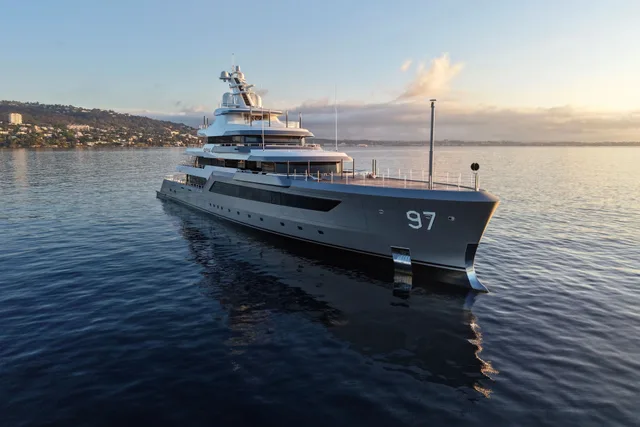
Running and managing
The annual operation: payroll, management company and refit cycle.
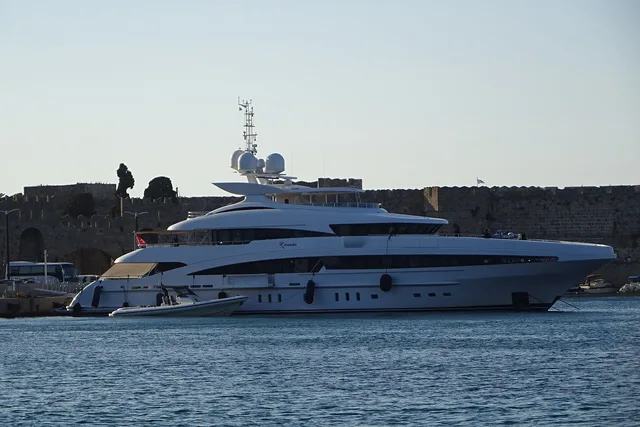
Continue your research
Common questions
The working definition is 24 metres (about 79ft) load-line length and above, because that is where international load-line, coding and crew regulations change. In practice the market treats 30 metres and above as the superyacht segment proper, and 50 metres and above as megayacht.
A common planning figure is 8% to 12% of capital value annually. A 35-metre yacht worth $12M typically runs $1.0M to $1.6M a year, of which crew payroll is often $400,000 to $700,000. Refit years and heavy cruising schedules push the number above that band.
A rough guide is one crew member per 3 to 4 metres of length for private use. A 30-metre yacht typically carries 5 to 7 crew, a 50-metre yacht 10 to 14. Charter operation, extended interiors and heavy guest programmes push the count higher.
Almost always, and usually a special-purpose vehicle in a jurisdiction matched to the chosen flag. It separates liability, simplifies eventual sale by transferring shares rather than the vessel, and is normally required for commercial charter registration. The structure should be settled with counsel before the MOA, not after delivery.
Talk to a superyacht specialist
Tell us the size band, intended use and whether charter income is part of the plan. We will introduce brokers, managers or maritime counsel accordingly.