Yacht financing
Marine lenders price on vessel age, hull material and flag as much as on the borrower, which is why a strong applicant can still be declined on a 25-year-old yacht. These guides cover what lenders look at and what the money actually costs.
Yacht finance is closer to aircraft finance than to a mortgage. The asset depreciates, it moves between jurisdictions, and the lender needs a registrable security interest, which is why flag and documentation come up in the loan conversation and not just the legal one. Loan-to-value commonly runs 70% to 80% on newer vessels and falls sharply once a yacht passes 15 to 20 years.
The most useful thing a buyer can do is get pre-approved before viewing. It sets a real budget, it is what brokers treat as a serious offer, and it surfaces vessel-age or survey conditions while you can still change which yacht you are chasing.
These guides cover the loan itself, the affordability maths behind it, and the tax positions that change the after-tax cost of ownership in the US.
Want this narrowed down to your yacht?
Send a short brief and we will come back with the guides that apply and the specialists who can quote.
Loans and marine mortgages
How the lending works, what it costs, and what gets declined.
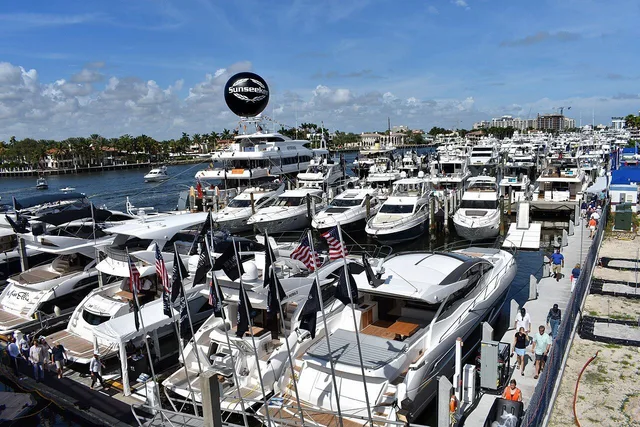
Marine Mortgage Guide: Preferred Ship Mortgage 2026
How a preferred ship mortgage works, lien priority, USCG recording, foreign-flag registration, release at sale, and why it beats unsecured boat borrowing.
Boat Finance UK: Marine Mortgage Rates and Terms
How UK marine mortgages work: rates and terms, deposit levels, why VAT status and Part 1 registration decide the security, and what a broker adds over a bank.

Boat Financing 2026: Loan Terms, LTV and Requirements
How boat loans work: how much lenders advance, what they require, what rates and terms to expect, and the traps in a dealer finance offer.

Boat Finance Australia: Rates, Terms and Real Costs
How Australian boat loans actually work: secured and unsecured rates, why boat age caps the term, what a balloon really costs, and what lenders check first.

Boat Loan Rates 2026: Terms, Credit Score and Deposit
What boat loan rates look like in 2026 by credit tier, vessel age and lender type, and why the same borrower is quoted very differently.
Closing costs and tax
What falls due at closing, and the US deductions owners ask about.
Boat Closing Costs 2026: Every Line Item at Purchase
What closing a boat purchase actually costs: survey, escrow, brokerage, documentation, insurance binder and tax, with the sequence they arrive in.
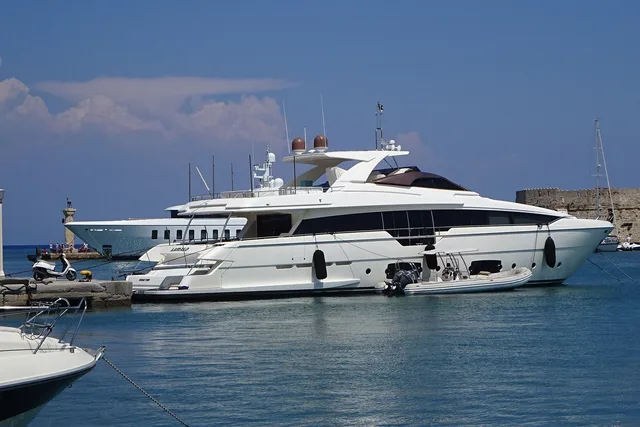
Yacht Second Home Deduction: US Tax Facts and Myths
US yacht mortgage interest as a second-home deduction: IRS tests, common myths, charter complications, not tax advice. Verify every scenario with your CPA.
Continue your research
Common questions
Marine lenders typically finance 70% to 80% of value on vessels under about 10 years old, falling to 50% to 60% as a yacht passes 15 to 20 years, and often declining entirely beyond 25 to 30 years without a strong survey and additional security. Terms of 15 to 20 years are common on larger vessels.
US marine lenders generally look for 680 and above for standard pricing, with the best rates from roughly 740. Below 660 the options narrow to specialist lenders at materially higher rates. Debt-to-income and liquidity after closing usually matter more to a marine underwriter than the score alone.
Sometimes, but the pool of lenders is much smaller. Non-resident applicants are usually asked for a larger down payment, US-documented registration, a US-based escrow and closing, and sometimes a US corporate or trust structure. Arranging this before you make an offer avoids losing a deposit to a financing contingency.
Financing preserves liquidity for the running costs that catch first-time owners out, and marine loan rates are often below the return on the capital being freed. Against that, a depreciating asset with a loan against it can go into negative equity, which limits your ability to sell quickly. Model both against the annual running budget rather than the purchase price alone.
Get matched with a marine lender
Tell us the vessel type, budget band and your residency. We will introduce marine finance specialists who lend on that profile.