Yacht charter
Chartering is how most owners find out what they actually want before they buy, and how some decide not to buy at all. These guides cover what a week really costs and where the charter-versus-own line falls.
A crewed week on a 30-metre yacht in the Mediterranean commonly runs from roughly €150,000 plus APA in high season, and a bareboat catamaran in the British Virgin Islands can be a small fraction of that. Both are charter; they are barely the same product. The guides here separate the two so you can price the trip you actually want.
For anyone weighing ownership, charter is also the cheapest possible due diligence. Two weeks aboard the type of vessel you are considering will tell you more about layout, draft, range and crew requirements than any amount of reading, and the cost is trivial against a purchase mistake.
If you are already close to buying, start with the charter-versus-own comparisons rather than the destination guides. They model the crossover point where owning stops being more expensive than chartering, which for most buyers sits at somewhere between six and ten weeks of use per year.
Want this narrowed down to your yacht?
Send a short brief and we will come back with the guides that apply and the specialists who can quote.
How chartering works
Bareboat versus crewed, what APA covers, and how a booking is actually structured.
Mediterranean
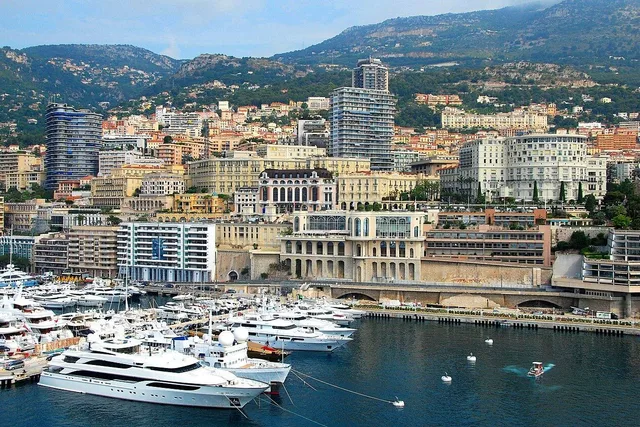
The high-season market: rates, VAT treatment and where the bases are.
Continue your research
Common questions
A bareboat monohull in the Caribbean can start around $4,000 to $9,000 per week. A crewed 25-metre motor yacht in the Mediterranean typically runs €60,000 to €120,000 per week plus APA, and 40-metre-plus yachts run from roughly €200,000. Charter fee, APA, VAT and delivery are usually quoted separately.
Advance Provisioning Allowance: a running-cost float, normally 25% to 35% of the charter fee, paid before boarding and spent by the captain on fuel, food, drinks, berths and local fees. It is an account rather than a fee, and the unspent balance is returned to you with a statement at the end of the charter.
For fewer than about six to eight weeks of use a year, chartering is almost always cheaper, because you avoid depreciation, crew payroll and berth costs entirely. Above roughly ten weeks, ownership starts to compete, and other factors such as customisation, availability and having the vessel in one place begin to dominate the maths.
Yes, but expect it to offset costs rather than produce income. Commercial charter requires a commercially coded flag registration, an endorsed insurance policy, crew with commercial certification and a central agent, and the yacht is then unavailable during peak weeks. Owners commonly recover 20% to 50% of running costs, not all of them.
Planning a charter or weighing ownership?
Tell us the region, the party size and the weeks you have in mind. We will come back with a realistic budget and, if you are close to buying, the ownership comparison.