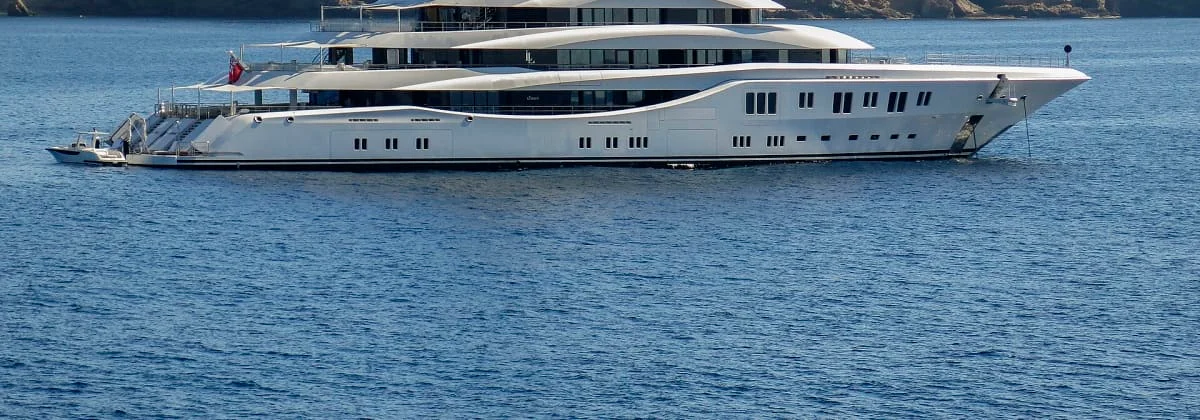
Quick answer: Around Ibiza the anchor is a regulated instrument. Decree 25/2018 made the Balearics the first Mediterranean region to ban anchoring over Posidonia seagrass, charts mark forbidden red and yellow zones, an official app shows what is under the hull, and patrol boats enforce it. Plan the anchorage or take a buoy.
What Did the 2018 Decree Actually Do?
It closed the seabed rather than the water. Decree 25/2018 made the Balearic Islands the first Mediterranean region to ban anchoring over seagrass outright, alongside restrictions on trawling, dumping and works in areas where Posidonia is present. The prohibition attaches to what lies beneath the boat, not to where the boat is.
That distinction is the whole practical story. A bay can be open and its centre closed; a familiar anchorage can be legal at one end and forbidden at the other. Nothing about the surface tells you which.
| Zone | Meaning | Anchoring |
|---|---|---|
| Red | Existing Posidonia meadow | Forbidden |
| Yellow | Area where Posidonia is regenerating | Forbidden |
| Unmarked seabed | Sand or other substrate | Permitted, with care |
| Buoy fields | Provided moorings in some areas | The intended alternative |
How Is a Crew Supposed to Know?
By checking, with the tool the administration built. The Posidonia GOIB app uses geolocation to report in real time what seabed lies under an intended anchorage, which turns a guess into a reading. Crews who use it before every drop have a defensible position; crews who rely on the colour of the water do not.
- Check the app before the anchor leaves the roller, not afterwards.
- Record the position and the reading, because enforcement asks.
- Use provided buoy fields where they exist rather than improvising.
- Brief guests that the anchorage may move, and why.
Is Enforcement Real?
Active and resourced. A Posidonia surveillance service operates around the islands with a patrol fleet reported at 19 boats, tasked with helping crews comply and with catching those who do not. Reported penalties run from a few hundred euros at the bottom to figures quoted as high as 450,000 euros at the top.
The point of those numbers is not the maximum, which few will ever meet. It is that a fine here is a real commercial risk on a chartered week rather than a theoretical one, and it lands on whoever was in command.
Put the anchoring policy in the crew’s standing orders. A written rule protects the owner in a way that a conversation does not.
Does This Change What Boat Suits the Island?
It rewards flexibility and punishes rigidity. A vessel that can take a buoy comfortably, work from a tender and move between permitted patches has an easy season. A large yacht that needs a specific depth over a specific substrate finds the island considerably more constrained than its reputation suggests.
Draught matters twice over. It narrows where the boat can go in the ordinary sense, and it interacts with which permitted patches are usable, so the two constraints compound rather than sit side by side.
| Vessel type | How the rules land |
|---|---|
| Under 20 m with a good tender | Straightforward, with planning |
| 20 to 40 m | Workable, buoy fields and permitted patches |
| Above 40 m | Materially constrained in the popular bays |
| Deep draught sailing yachts | Fewest options of all |
Where Do Yachts Actually Berth?
In marinas that fill early and price accordingly. The island’s harbour capacity is small relative to August demand, and berths in the popular ports are committed months ahead. That scarcity is what pushes so much of the fleet into the bays, which is precisely where the anchoring rules bite.
Owners planning a season here should treat berthing and anchoring as one problem rather than two. A plan that assumes a berth when the marina is full and an anchorage when the seabed is protected is not a plan.
How Does the Tax Position Apply?
Exactly as it does on the mainland. The Balearics are Spain, so the 12% matriculation tax on vessels over 8 metres registered in Spain or used by a Spanish resident applies here in full. Our Spain yacht market page sets out the charge and the narrow commercial charter exemption.
Owners attracted by the cruising should settle that analysis before purchase. The island is a reason to be in Spanish waters; it is not an argument that changes what Spanish waters cost.
What Does a Season Here Cost?
More than the neighbouring islands, concentrated into fewer weeks. Summer berthing, provisioning and shoreside services in Ibiza reflect the resort economy rather than a working port, and the peak is short and intense.
| Line | Ibiza position |
|---|---|
| Peak berthing | High, and committed months in advance |
| Anchoring | Free where permitted, restricted in the best bays |
| Provisioning and services | Resort pricing in season |
| Yard capacity | Thin, with Palma an easy passage away |
For the framework behind those comparisons our yacht ownership cost guide sets out how to model a season properly, and our Mallorca yacht market page covers where the yard capacity actually is.
What Are the Advantages and Disadvantages?
Water and atmosphere against rules and cost. The advantages are some of the clearest water in the western Mediterranean, short passages to Formentera and the mainland, and a season with genuine energy. The disadvantages are a regulated seabed, scarce berths and resort pricing on everything ashore.
- Advantage: exceptional water and compact cruising distances.
- Advantage: buoy fields provided in some protected areas.
- Disadvantage: anchoring forbidden over red and yellow zones.
- Disadvantage: limited berthing at prices set by the resort economy.
How Should a Season Be Planned Here?
Backwards from the anchorages, not forwards from the dates. The binding constraints are which seabeds are open to your draught and which berths remain in the weeks you want, and both are known in advance. A plan built on those two lists holds; a plan built on a wish list does not.
- List the anchorages that are legally open and physically suitable for the hull.
- Book marina nights for the dates where no suitable anchorage exists.
- Identify buoy fields as the fallback for the popular bays.
- Keep a Formentera and mainland option for weeks when Ibiza is full.
- Record every anchoring decision, because enforcement asks after the fact.
Our Mallorca yacht market page covers the neighbouring island, which has the same rules and considerably more infrastructure.
The planning effort is front-loaded and then it is finished. A season mapped in March runs itself in August, while a season improvised in August produces exactly the situation the rules were written to prevent: a large yacht circling a full bay at six in the evening with guests aboard and nowhere legal to stop.
Who Should Cruise Elsewhere?
Owners who want to anchor without thinking about it. The Adriatic and the eastern Mediterranean offer far more freedom over where to drop the hook, and an owner unwilling to plan anchorages will find those grounds more relaxing. Our Mediterranean yacht market page compares the basin.
That is a genuine trade rather than a failing of the island, and it should be made deliberately. Owners who accept the discipline get a great deal in return. The rules exist because the meadows are worth protecting, and a crew that plans around them cruises an island most visitors only see from a crowded bay. The quiet anchorages are still there; they are simply the ones that required a decision in March rather than a lucky arrival in August. Crews who work the island regularly keep their own list of permitted patches by draught and wind direction, and that list is the most valuable single thing a new arrival to these waters can be given by somebody who already knows them well, and it is worth asking for before the first booking rather than after the first refusal.
Planning a Balearic season under the anchoring rules?
Send the vessel length, draught and the weeks you have in mind. We will map which anchorages and buoy fields work for that hull and connect you with local agents.
Frequently Asked Questions
No. Decree 25/2018 made the Balearics the first Mediterranean region to ban anchoring over Posidonia seagrass outright. Charts mark red zones covering existing meadows and yellow zones where seagrass is regenerating, and anchoring is forbidden in both. Buoy fields are provided in some areas as the legal alternative.
Through the official Posidonia GOIB app, which uses geolocation to show in real time what seabed lies beneath the intended anchorage. Using it is the practical defence against an accidental infringement, and it is the tool the authorities themselves point crews toward.
Substantial. Reported fines run from a few hundred euros to figures in the hundreds of thousands, with the upper end of the scale quoted at 450,000 euros. A Posidonia surveillance service operates around the islands with a patrol fleet, so enforcement is active rather than theoretical.
It makes it a planned one. The rules do not close the island, they close specific seabeds, and a crew that checks before dropping the anchor has no problem. The difficulty falls on visitors who arrive expecting to anchor wherever the water looks inviting.
The Balearics are part of Spain, so the 12% IEDMT applies to vessels over 8 metres registered in Spain or used by a Spanish resident, exactly as on the mainland. Owners drawn to the island by the cruising should settle the tax analysis before buying rather than after arriving.
Sources: the decree, the zones and the app from SuperyachtNews on clarified anchorage restrictions in the Balearics, Atlas Posidonia on conservation in the Balearic Islands and the Mediterranean Posidonia Network. Enforcement and penalties from Crownline Spain on responsible anchoring.
Request a yacht buyer consultation
Share your budget, target LOA, and use case. We reply within one business day with matched brokers or surveyors.