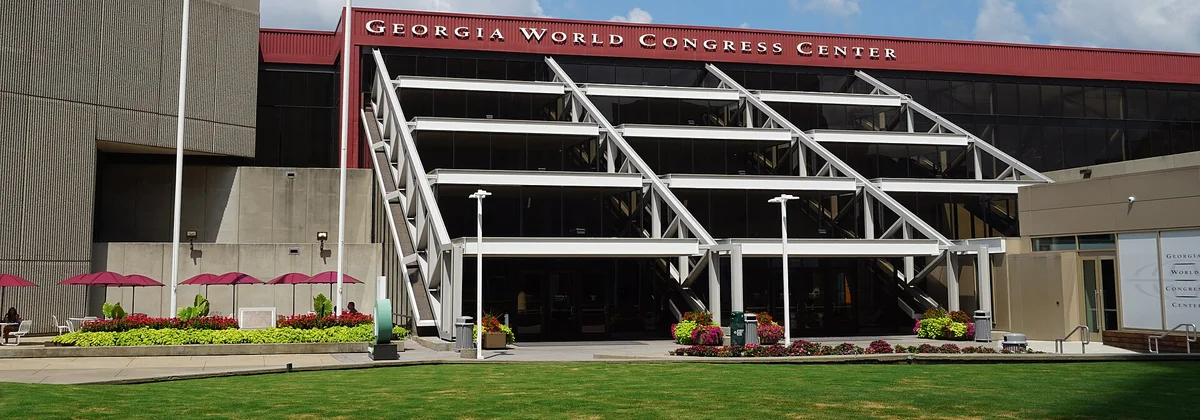
Quick answer: Atlanta has no water of its own, which makes its show a trailer-boat show whether or not anyone calls it that. Every boat on the floor will be towed roughly an hour to Lanier, Allatoona or Hartwell, or several hours to the coast, every single time it is used. That means the trailer and the tow vehicle are part of the boat, and the buyers who ignore that are the ones whose boat sits in the driveway by the second summer.
The Drive Is the Constraint
In a waterfront market the question is which boat you want. In a drive-to-the-water market the question is which boat you will still be willing to tow in year three.
| Factor | Effect on the decision |
|---|---|
| Tow time to the lake | About an hour each way, twice per outing |
| Launch and recovery | Adds 30 to 60 minutes to every trip |
| Where the boat is stored | Driveway, garage, or paid storage near the lake |
| Vehicle you already own | Caps the boat before the budget does |
| Ramp queues on summer weekends | Real, and worse with a longer rig |
| Rigging and prep time | The thing that quietly kills enthusiasm |
Insider tip: the honest test for a drive-to-the-water buyer is not “can I afford this boat”, it is “will I do this on a Saturday morning in year three”. Boats that are quick to launch, easy to reverse and stored close to the water get used; boats that need an hour of preparation before the tow do not. That reality favours a slightly smaller, simpler boat than the budget allows, which is the opposite of what a showroom will suggest.
Three Vehicle Ratings, Not One
| Rating | What it caps | Where to find it |
|---|---|---|
| Maximum towing capacity | What the vehicle may pull | Handbook, and it is the headline number |
| Maximum tongue weight | Downward load at the hitch | Handbook and the hitch itself |
| Gross combined weight rating | Vehicle and trailer together, loaded | Door plate or handbook |
| Gross vehicle weight rating | The tow vehicle alone, loaded | Door plate |
| Payload | People and cargo, and tongue weight counts against it | Door plate |
The gross combined rating is the one people exceed. A vehicle rated to tow 5,000 lb does not tow 5,000 lb with five passengers and a full boot, because tongue weight comes out of the payload and the combined figure caps everything. And the boat’s advertised dry weight is a stripped hull: fuel at about 6 lb a gallon, water at about 8 lb, batteries, gear and the trailer itself commonly add 20% to 35%.
The full arithmetic is in the boat trailer guide, and the servicing that follows, particularly trailer tires which age out in 3 to 5 years regardless of tread, is in the trailer maintenance guide.
Lake Boat or Coastal Boat
Atlanta buyers split, and trying to buy one boat for both is where money gets wasted.
| Lake use, Lanier and Allatoona | Coastal use, trailered to the Atlantic or Gulf | |
|---|---|---|
| Typical hull | Pontoon, tritoon, deck boat, bowrider, tow boat | Bay boat, centre console |
| Chop encountered | Boat wakes, short and steep, on summer weekends | Wind chop and swell |
| Draft priority | Low | Higher, and it matters at the ramp |
| Corrosion regime | Fresh water, gentle | Salt, and the trailer suffers first |
| Trip frequency | Weekly in season | A few times a year for most owners |
| Sensible compromise | Buy for the lake | Charter or rent on the coast |
For most Atlanta owners the honest answer is to buy for the lake and rent on the coast, because a saltwater boat towed four hours twice a year costs the same to own as one used every weekend. The type pages cover both sides: pontoons, deck boats, bowriders and wake and ski boats for the lake, bay boats and centre consoles for the coast.
What the Show Cannot Answer
Indoors, in a cradle, an hour from the nearest water, four questions stay open, and every one of them is answerable before you commit.
| Open question | How to close it |
|---|---|
| How it rides in summer boat chop | A spring demo ride on the lake |
| How it sits with eight people aboard | See the model afloat at a lake dealer |
| Whether your vehicle really pulls it | Weigh the loaded rig at a public weighbridge |
| Whether you can reverse it down a ramp | Practise in an empty car park before the first ramp |
Most dealers will arrange a spring demo for a serious buyer, and a deposit taken at the show can normally be made contingent on that ride. Ask for that in writing rather than as a handshake; the mechanics are in the deposit and escrow guide.
The weighbridge point is worth doing once. It costs a few dollars, it settles every argument about whether the rig is legal, and it is the only number in the entire towing question that is not an estimate.
What the Week Costs
| Line | Typical range | Note |
|---|---|---|
| Show admission, per day | $15 to $30 | Children usually reduced |
| Parking, per day | $15 to $40 | Downtown venue rates |
| Storage near the lake, per month | $75 to $250 | Cheaper than a slip, saves the tow |
| Slip at Lanier, per month | $250 to $700 | Size and marina dependent |
| Survey, if buying used | $20 to $30 per ft | Easy to book in winter |
| Trailer service, annually | $150 to $400 | Bearings, brakes, tires as they age |
| Fuel for the tow | Real, and rarely budgeted | Two hours of towing per outing |
The line worth thinking about is storage near the lake. Paying $150 a month to keep the boat ten minutes from the ramp rather than towing it an hour each way changes how often the boat is used, and for many owners it is the best money in the whole budget. The wider comparison is in cost to dock a boat.
Comparing Dealers Rather Than Boats
| What varies between stands | Why it matters |
|---|---|
| Options included at the quoted price | The largest source of apparent price difference |
| Trailer included, and to what specification | On a trailer-boat market, the critical line |
| Commissioning and first service | Often four figures, rarely compared |
| Electronics package | The easiest thing to over-buy at a show |
| Warranty term and what voids it | Read it, do not be told about it |
| Distance from you to the service department | You will visit it more than the showroom |
Ask every stand the same questions in writing. In Atlanta add one more: is the trailer specified for this exact boat, loaded, because a bundled trailer at the bottom of the capacity range is the single most common corner cut in a package deal.
Pros and cons of buying at the Atlanta show
| Advantages | Disadvantages |
|---|---|
| High dealer density for a large inland metro | No water, so nothing can be judged afloat |
| Strong trailer, tow and accessory presence | Almost entirely new-boat retail |
| January leaves the season to prepare | Coastal selection is thin |
| Finance desks in one hall | Package pricing is easy to mistake for a discount |
| Excellent for lake and tow boat buyers | Nothing above roughly 35 ft in depth |
| Season runs roughly March to October | Every outing includes two hours of towing |
Which Buyer Should Go
| Buyer | Is Atlanta the right show? |
|---|---|
| First family boat for Lanier or Allatoona | Yes |
| Pontoon or tritoon buyer | Yes |
| Wake or ski boat buyer | Yes |
| Bass or crappie angler | Yes |
| Saltwater centre console buyer | Shortlist only, then see it at the coast |
| Cruiser or brokerage yacht over 40 ft | No |
Earlier in the process, read how to buy a boat and buying a yacht at a boat show, and use the show calendar to place the January date. If you are buying used, run the used boat inspection checklist and inspect the trailer as carefully as the boat.
Buying from Atlanta?
Tell us your tow vehicle and which lake you would use, and we will tell you what you can actually pull and what suits the water.
Frequently Asked Questions
It usually runs in January over four days, indoors at a downtown convention venue. Confirm dates with the organiser before booking. The January placement is useful: Georgia's practical season runs roughly March to October, so a winter purchase leaves time to sort the boat and the trailer before the water warms up.
Overwhelmingly trailerable ones, because Atlanta has no water of its own. Pontoons, tritoons, deck boats, bowriders, wake and ski boats and bass boats dominate, alongside the trailers, tow accessories and finance that go with them. Cruisers and brokerage yachts are barely represented.
Partly. You will find centre consoles and bay boats aimed at buyers who trailer to the Georgia and Florida coasts, but the depth of that selection is far below a coastal show. If saltwater is the main plan, use Atlanta to shortlist and then see the boats at a coastal show or dealer before you commit.
Roughly an hour from most of the metro area, which is why it dominates local boating along with Allatoona and, further out, Hartwell. That drive is the single most important fact in the purchase: the boat has to be towed to the water every time you use it, so the trailer and the tow vehicle are part of the boat, not accessories to it.
Whatever your vehicle's three ratings allow: maximum towing capacity, maximum tongue weight, and gross combined weight rating, which caps the vehicle and trailer together. That last one is the one people exceed without realising. Work out the loaded weight of boat, engine, fuel, gear and trailer before you choose the boat, not after.
It is generally a package rather than a discount: options, a cover, a trailer or electronics folded into one number, plus finance terms available during the show. That is real value if you would have bought those items anyway. The genuinely negotiable boat on the stand is usually the outgoing model year the dealer is financing.
For many Atlanta owners it is the best money in the budget. Storage near Lanier commonly runs $75 to $250 a month and removes two hours of towing from every outing, which is the difference between a boat used most weekends and one that sits in the driveway. Compare it against the tow before dismissing it as an extra cost.
Request a yacht buyer consultation
Share your budget, target LOA, and use case. We reply within one business day with matched brokers or surveyors.